 Asia News
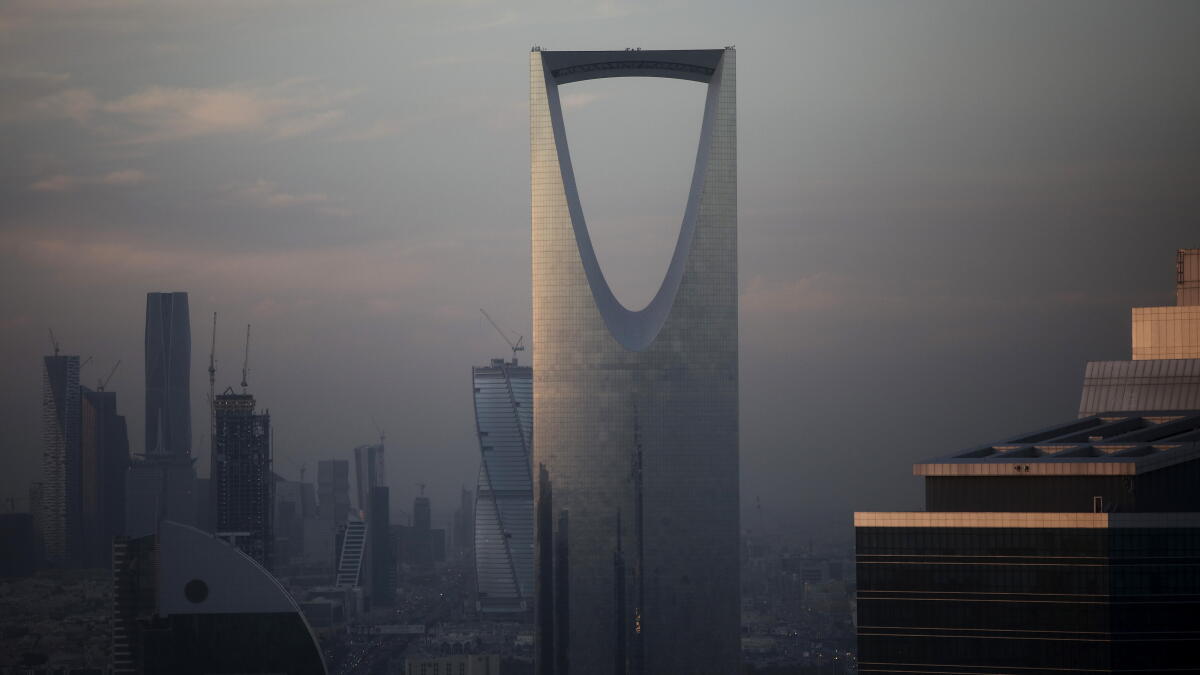
By Christine Burke , Fiona MacDonald and Preeti Singh Oct. 19, 2026 11:59 AM PT Saudi Arabia has postponed its flagship conference to next year after continuing attacks by Yemen’s Houthi rebels, in a significant blow to the kingdom’s ambitions of positioning itself as a hub for business and attracting foreign capital to fund a multitrillion-dollar economic reorganization. The Future Investment Initiative, which typically brings the titans of finance, energy and politics to Riyadh, will now be held in 2027, the organizers said in a statement, without specifying dates. The decision follows multiple attacks on the kingdom in recent days, with air-raid alerts sounding in Riyadh on Monday night in a sign of the continuing security risks.
Strikes on the capital’s airport have killed more than a dozen people, disrupted flights and forced the postponement or cancellation of several events. “This decision has been taken to ensure that our milestone tenth edition delivers the full scale, quality, and impact that our partners, members, speakers, and delegates expect,” the statement said. The annual event was due to start Oct. 26 and slated to feature the likes of Citigroup Inc.
Chief Executive Jane Fraser, Goldman Sachs Group Inc.’s David Solomon and BlackRock Inc.’s Larry Fink. Organizers had been considering a range of contingency measures to keep the conference on track, and said as recently as last week that they were preparing to “welcome thousands of delegates to Riyadh.” That underscored the event’s importance to Crown Prince Mohammed bin Salman’s efforts to make Saudi Arabia’s case to the global financial establishment — particularly crucial this year, with the war straining Riyadh’s economy. FII generated agreements worth more than $50 billion in 2025, and Public Investment Fund Governor Yasir Al-Rumayyan has said it has facilitated more than $250 billion in cumulative deals since its inception.
The ultimate value of those deals is difficult to ascertain, as many agreements involve nonbinding memorandums of understanding, but key announcements have been unveiled at past editions. In 2017, MBS, as the crown prince is known, sat alongside Blackstone Inc.’s Steve Schwarzman and SoftBank Group Corp.’s Masayoshi Son at the the inaugural event to unveil plans for Neom, a futuristic regional development and high-tech megaproject. More recently, the kingdom has started to chip away at some of those ambitions and pivot to areas such as artificial intelligence, gaming and high-tech manufacturing.
Many firms have pursued opportunities from those shifts and have continued to recognize the importance of maintaining relationships in Saudi Arabia. Yet, the recent escalation in fighting has spotlighted the risks to the kingdom’s aspirations. The Houthis, part of Iran’s so-called Axis of Resistance, have been in conflict with Riyadh since well before the joint U.S.-Israeli war began in February.
The rebels stepped up their attacks in October after Saudi-backed Yemeni forces launched an offensive to recapture Houthi-held areas. Two Saudi national guard members died when a reconnaissance helicopter crashed near the border with Yemen over the weekend, while missiles were intercepted elsewhere in the kingdom. The Saudi capital has extended remote learning for many schools by another week, while the city’s financial district has yet to indicate whether it’s safe to return to work.
The strikes raise questions about Riyadh’s appeal as a business hub and are particularly problematic for professionals who choose to live in other gulf cities while commuting during the week to the Saudi capital. In recent days, some have scrambled to secure cars for the drive back. Even before the Iran war began, executives were privately questioning Saudi Arabia’s ability to put financial resources to work.
The Houthi attacks had led to nervousness among executives at global firms, many of whom were reluctant to be the first to pull out. To be sure, the FII has weathered crises before. In 2018, the murder of journalist Jamal Khashoggi prompted prominent executives to withdraw.
Wall Street veteran Ken Moelis was among those who maintained ties with Saudi Arabia’s government, and his firm has emerged as a key advisor to the kingdom. During the COVID-19 pandemic, some executives attended panels virtually. Although the flagship event takes place in Riyadh, FII hosts summits around the world.
President Trump has delivered special addresses at the event in Miami, including this year soon after the war against Iran began. Other business and entertainment events in Saudi Arabia have also been disrupted by the Houthi strikes. The European Union and Gulf Cooperation Council have postponed a summit in Riyadh, while the inaugural MIPIM Middle East real estate investment event has been pushed to next year and organizers of the “Six Kings Slam” tennis tournament have postponed it until December.
The World Petroleum Congress went ahead last week, though a number of oil executives from companies including Shell and BP pulled out. The disruption extends beyond Saudi Arabia. A capital markets event in Dubai, originally planned for May, was pushed to December, while the debut of the region’s newest high-profile event, Dubai Future Finance Week, was moved to November.
Doha’s flagship annual Qatar Economic Forum was also delayed and moved to New York, where it was held last month. The government of the state of Qatar is the underwriter of the Qatar Economic Forum, organized in cooperation with Bloomberg. Burke, MacDonald and Singh write for Bloomberg.
More to Read
Source: Los Angeles Times